Featured Post


With the upcoming CSEAR Executive Council elections, we’ve been speaking with some of the members who are stepping down to reflect on their time, contributions, and perspectives. All these conversations offer insights into what it means to be part of the CSEAR Council and the wider community.
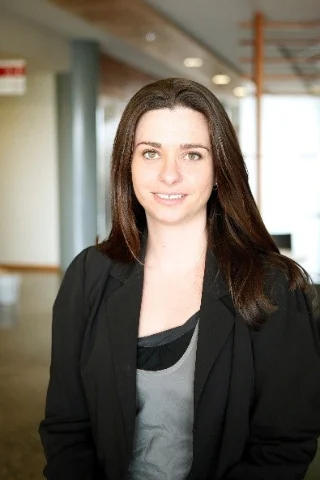
Helen’s involvement with CSEAR stretches back over two decades, beginning in 2002 when she first joined as a PhD student. Over the years, she developed a strong and lasting connection with the CSEAR community, finding it invaluable to her career, so stepping into a more formal role on the Executive Council felt like a natural next step. She joined after being co-opted in her capacity as Social and Environmental Accountability Journal (SEAJ) editor, and for her it was really about giving something back.
She talks about CSEAR as a community that only works because people are willing to contribute to it. Having gained so much from being part of it, she wanted to play her part in sustaining it, and helping it continue to thrive. As a more senior academic, she values being involved, as it keeps her connected both intellectually and personally.
A big part of her journey has been her long relationship with the Social and Environmental Accountability Journal. Helen’s journey with the journal—serving first as Reviews Editor, then Editor, and later Convener—allowed her to appreciate the connection between CSEAR and SEAJ as really central. She sees the journal as a key pillar of the organisation, reinforcing its identity and supporting its scholarly community.
Looking at CSEAR today, Helen feels the Executive Council is in a good place, working well and providing a strong foundation for the community. What stands out to her is how genuine the organisation is in its focus, the true commitment to environmental and social concerns. CSEAR scholarship places people and the environment at its core. Its work isn’t driven by trends or what’s easiest to publish, but from a real concern for environmental and social issues. She feels that commitment shows up not just in the research, but in the people themselves, and that’s something she sees as vital within the broader academic landscape.
Helen also highlights her involvement in the A‑CSEAR community, which plays a vital role in bringing researchers together in that region. She describes this regional network as essential to help build relationships, support the kind of collaboration that underpins good research, and foster a sense of belonging among scholars, further strengthening the global CSEAR community.
When asked about the role of the Council, Helen highlights both its responsibilities and its character, describing it as not only important but also genuinely enjoyable. The Council is tasked with governance and ensuring the smooth running of an international academic community, but she stresses that it is also an enjoyable and rewarding group to be part of. But what stands out most to her is the people, the sense of collegiality and shared purpose. It’s a supportive, friendly, and engaging space to be part of. For prospective Council members, she highlights this blend of responsibility and community spirit as a key reason to get involved—emphasising that it’s not just worthwhile, but genuinely fun.
Even as she steps back from that role, she still feels a strong connection to the Council and would be happy to contribute again in the future. At the same time, she recognises the strength of the current team and she’s keen to see new people join and bring fresh perspectives. Helen highlights CSEAR’s base at the University of St Andrews as something special, with a unique atmosphere that sets it apart.
Alongside her Council work, Helen is engaged in several ongoing projects.
Her current research with colleague Susan O’Leary focuses on climate movements and accountability, particularly examining the role of climate activists and the broader state of the environment to explore what accountability looks like in the context of the climate crisis. She is also developing new ideas around how organisations think about time and engage with questions of urgency, long-term responsibility, and future generations—framing the climate crisis as not only an environmental issue but as a “time emergency” that forces us to rethink our responsibilities to future generations.
Alongside her academic papers, Helen has published a textbook on sustainability accounting and accountability with Matias Laine, which reflects her approach to teaching sustainability accounting. She’s also involved in enhancing access to CSEAR’s resources, including the potential digitalisation of the archives—something she sees as important for preserving its long-standing institutional memory and making it more widely available.

In the first instalment of our Executive Council Spotlight Series, Helen Tregidga reflects on her time with the CSEAR Executive Council, the value of academic community, and the future of social and environmental accounting research.