Featured Post


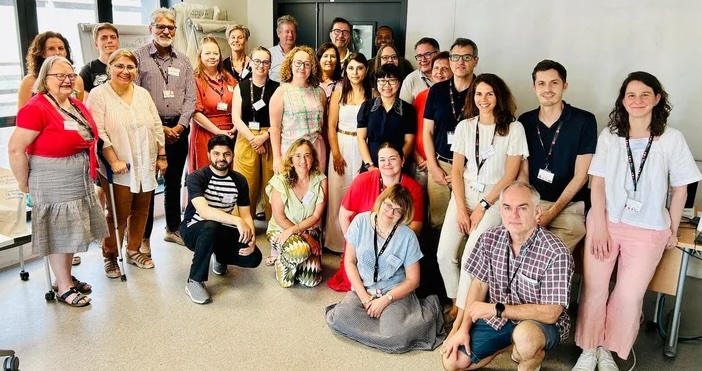
Last June, a group of accounting educators gathered at TBS Education in Toulouse for a week of experimentation, discussion and collaboration on teaching. Now, the pedagogical innovation team at TBS is pleased to share teaching notes developed from each of the sessions that took place during the week. Developed by members of the TBS pedagogical innovation team, each teaching note defines the purpose, principles and scope of each pedagogical approach before outlining the steps for implementation alongside tips and further resources for those interested in implementing the approach in their classrooms.
In an earlier post, I described the gap between recognising that accounting education needs reform and realising that reform. We built the Atelier to address this. Participants played, designed and dissected games, took part in role play, built working AI simulators and recorded podcasts. Because they experienced each method as learners first, they could start asking sharper questions about how it might work with their own students.
A week might sound long, but it gave people room to absorb the material without feeling overwhelmed, and it let a group with a shared passion build its capacities together. The atmosphere of the Atelier was an important part of the pedagogical development that participants experienced. Between and after sessions, people compared their own constraints, swapped ideas for adapting what they’d learned, and were able to get feedback on problems they were facing.
The Atelier was only possible because of the Erasmus+ Blended Intensive Programme (BIP) funding mechanism. It gave participants support to attend for the full week and covered the costs of hosting: coffee, food and materials, and the travel and lodging that brought in external facilitators to lead sessions. Without it, a week-long, in-person event with this range of expertise would have been much harder to open to a wide group of participants. Needless to say, this funding it is a major reason why the event was successful.
The feedback received both during and after the Atelier made it clear that there is real, perhaps pent-up, demand among accounting educators for events like this. People want to try new pedagogical approaches, not just hear about them, and to do so alongside peers who are equally motivated.
If you’d like to incorporate any of the topics addressed at the Atelier into your own teaching, please consider reviewing the notes as a way to start to familiarise yourself with a new approach. And if you’re thinking about organising something similar, I strongly encourage you to look at BIP funding. It makes an event like this accessible to a much wider community. In line with the objectives of CSEAR’s educational community of practice (ECoP), the more of these spaces that are created, the closer calls for reform in accounting education can be addressed. If you’re thinking about planning one, don’t hesitate to get in touch.

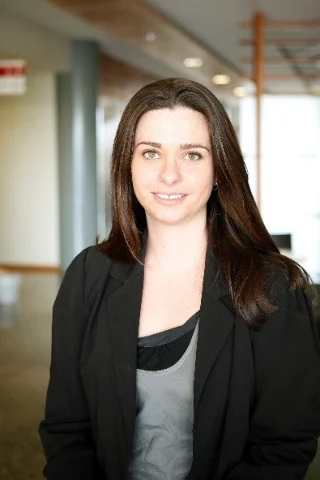
In the first instalment of our Executive Council Spotlight Series, Helen Tregidga reflects on her time with the CSEAR Executive Council, the value of academic community, and the future of social and environmental accounting research.

Hind Hsissou (Audencia Business School) and Keeland McMahon (University of Limerick)
Matthew SOROLA, TBS Business School